




Custom Packaging: A Complete Guide for Growing Brands
-
August 31, 2026
-
By: Genie
-
10
What Is Custom Packaging?
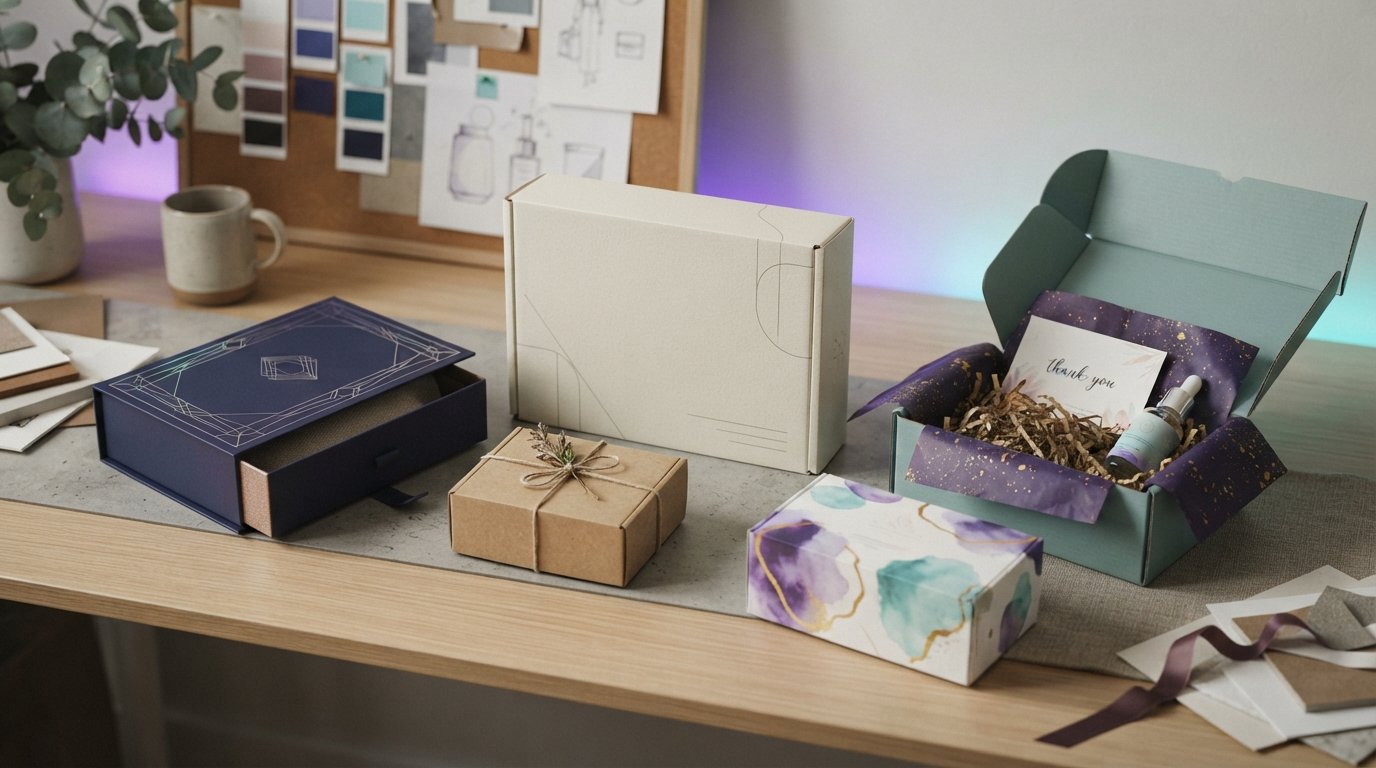
Custom packaging is packaging created specifically around a product and brand rather than relying on standard, ready-made boxes. Businesses can choose the dimensions, box style, materials, colors, printing, finishes, and other details based on their requirements.
This gives brands greater control over both product protection and presentation. From a simple printed mailer box to premium rigid packaging, the final result can become an important part of how customers recognize and experience a brand.
Why Custom Packaging Matters for Modern Brands
Customers often see the packaging before they see the actual product. That first interaction can influence how they perceive its quality and the business behind it.
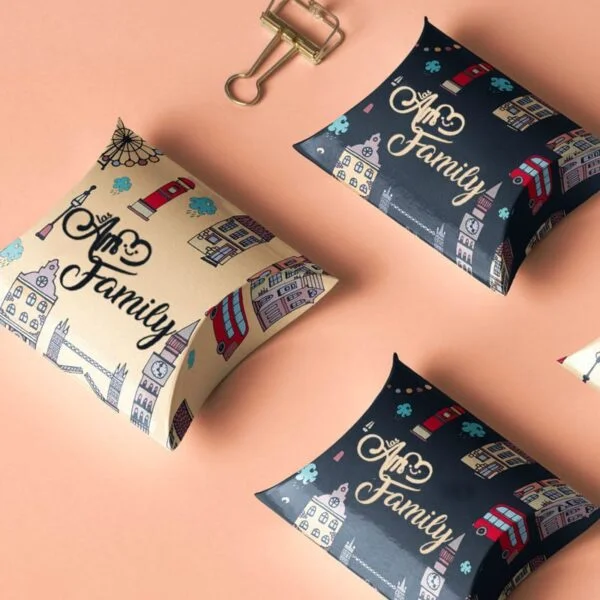
Professional packaging helps create a consistent brand experience across retail stores, e-commerce deliveries, promotional products, and gifts. Logos, brand colors, typography, and carefully selected materials can turn an ordinary box into a recognizable part of your business.
Good packaging also has a practical purpose. A properly sized and constructed box helps protect the product during storage, handling, and transportation while reducing unnecessary empty space.
Popular Types of Custom Packaging Boxes
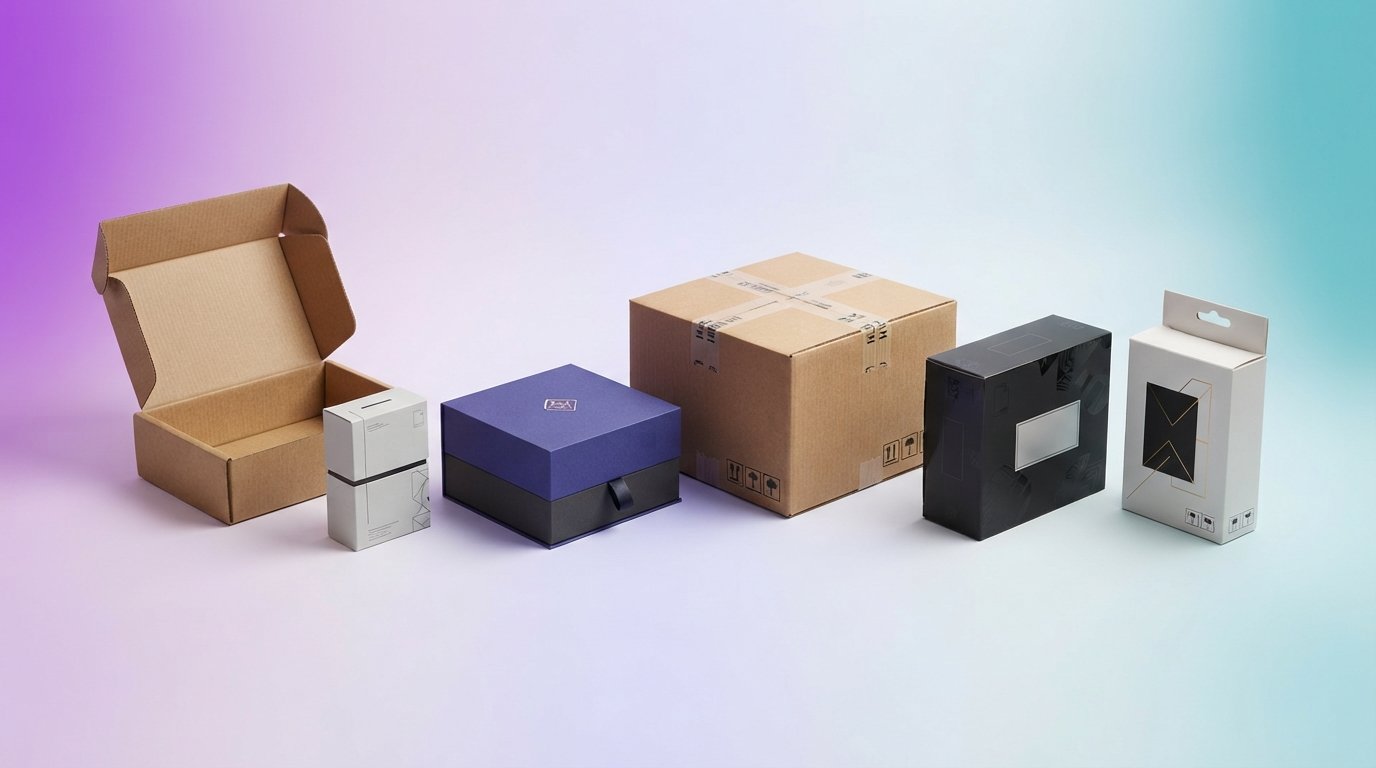
Different products require different packaging structures. Some of the most commonly used options include:
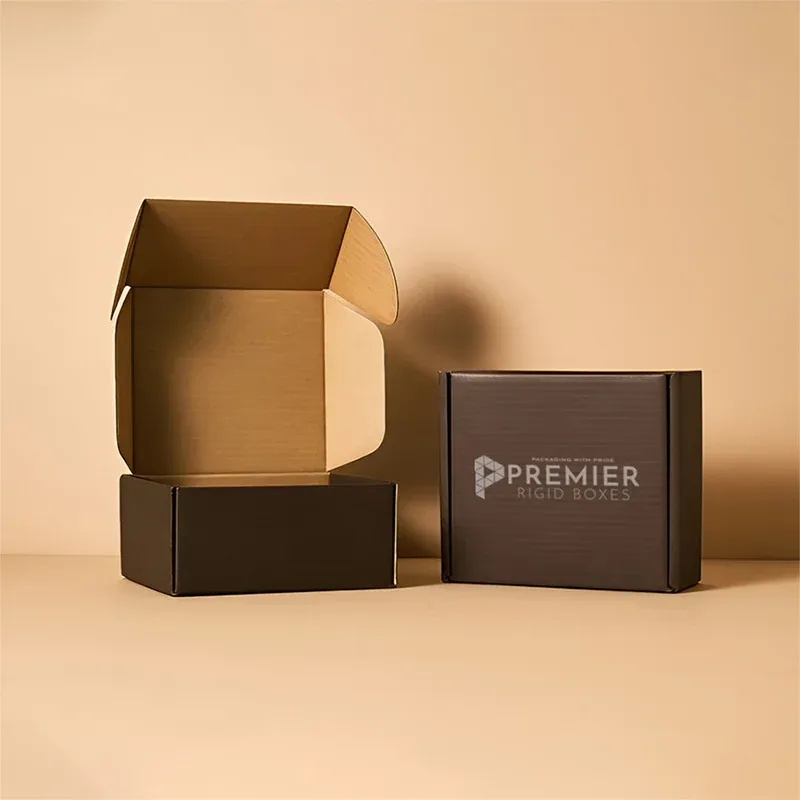
Mailer Boxes
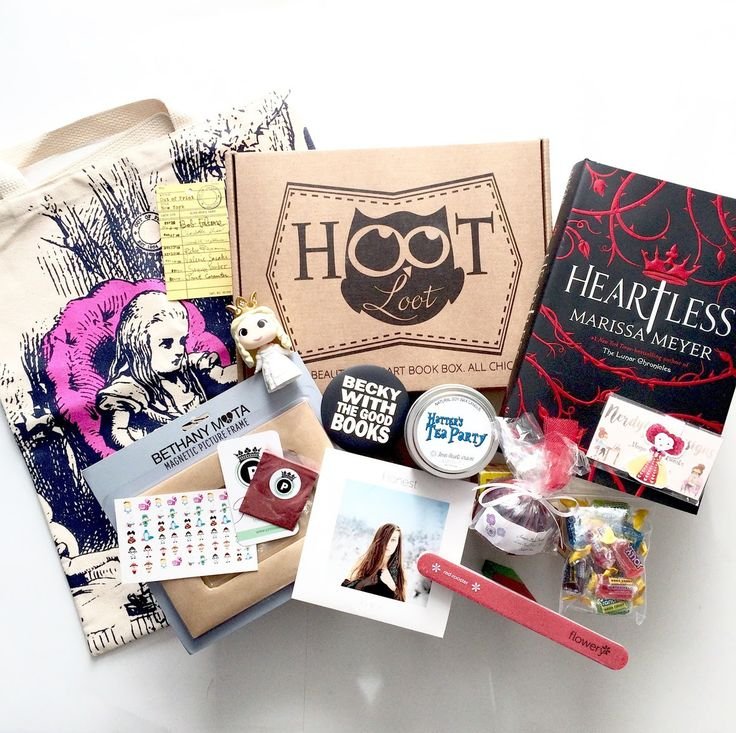
A popular choice for e-commerce, subscription products, gifts, apparel, and direct-to-consumer brands.
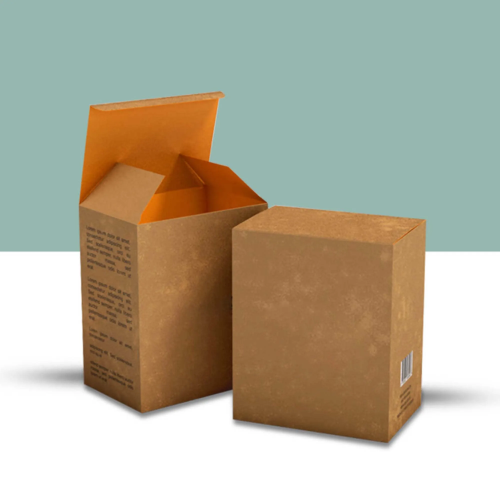
Tuck Boxes
Compact and versatile packaging commonly used for cosmetics, personal care products, small retail items, and accessories.
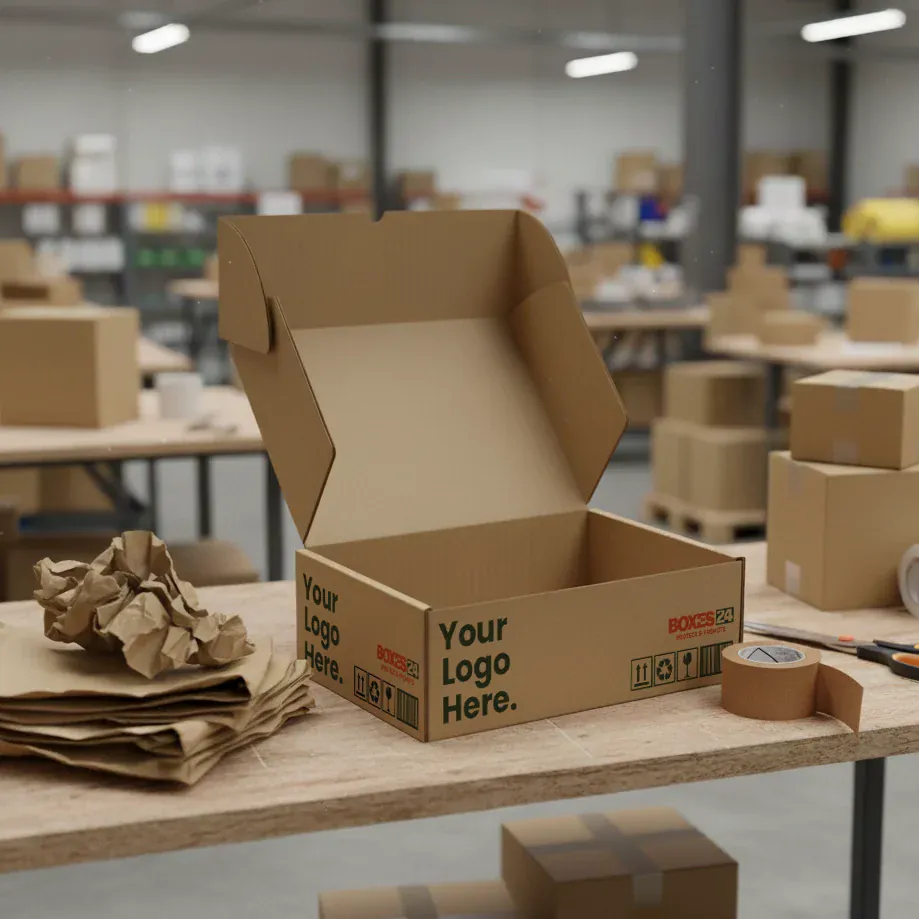
Corrugated Boxes
Built for greater strength and protection, making them suitable for shipping and heavier products.
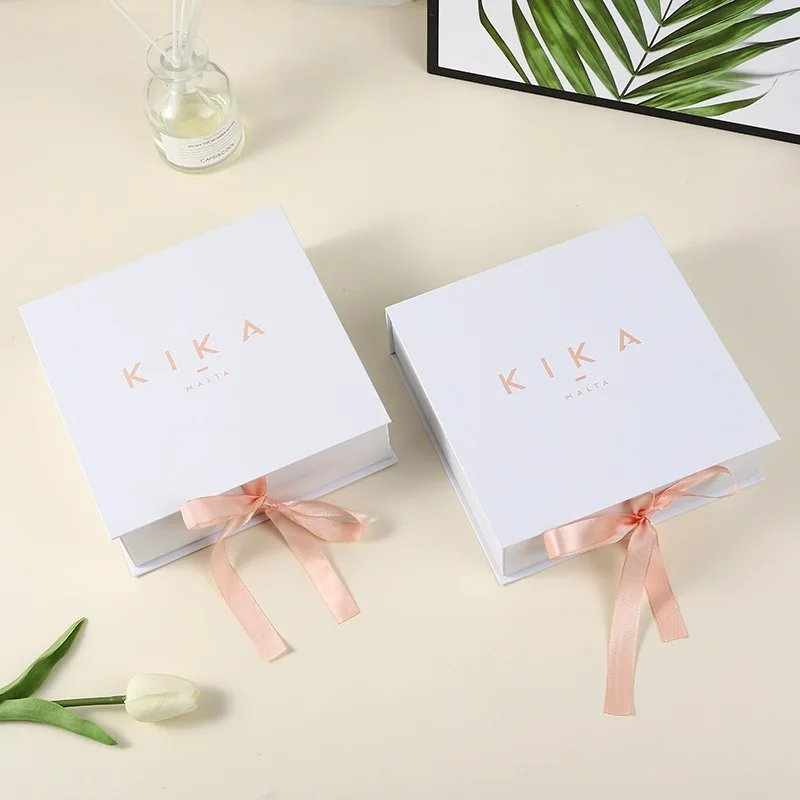
Rigid Boxes
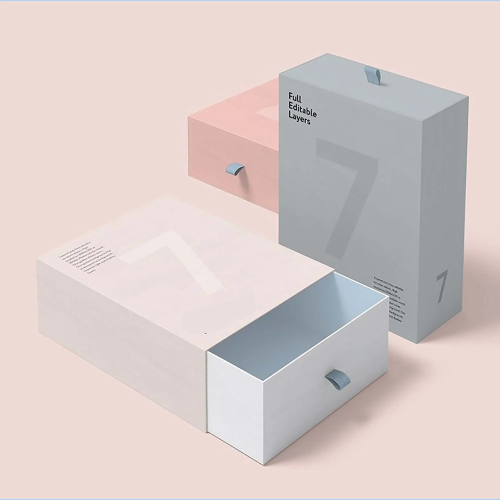
Premium packaging commonly used for luxury products, jewelry, cosmetics, electronics, and high-value gifts.
Retail Boxes
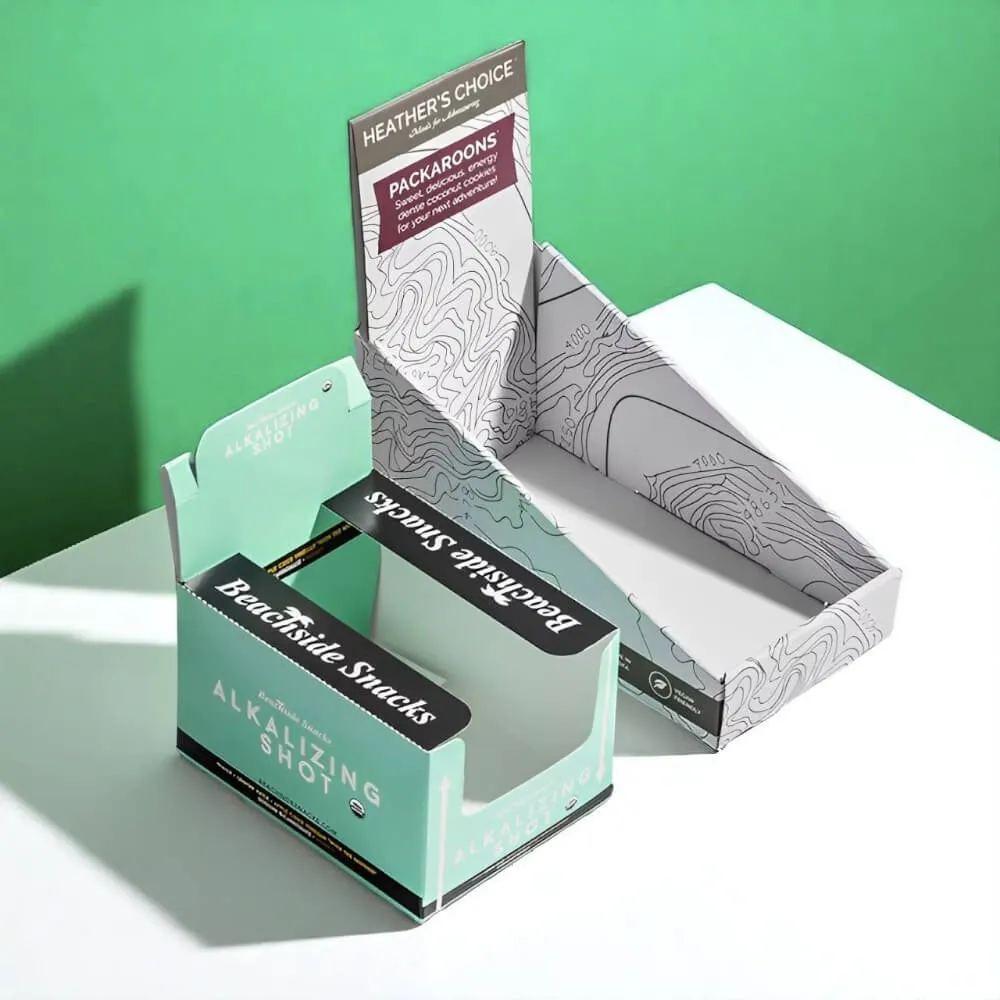
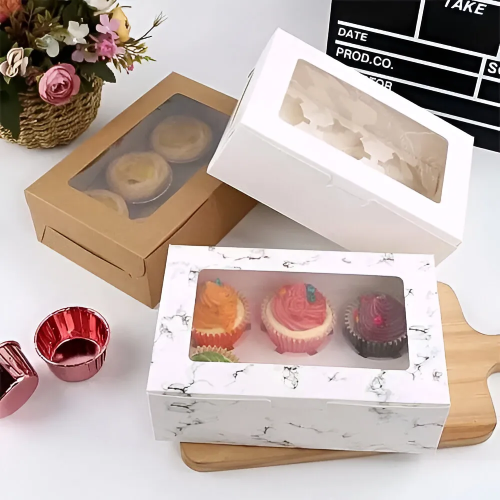
Designed to combine product protection with strong shelf presentation and clear branding.
Choosing the right structure depends on your product dimensions, weight, presentation requirements, shipping method, and budget.
Choosing the Right Packaging Material
Material selection affects durability, appearance, printing quality, shipping weight, and overall cost.
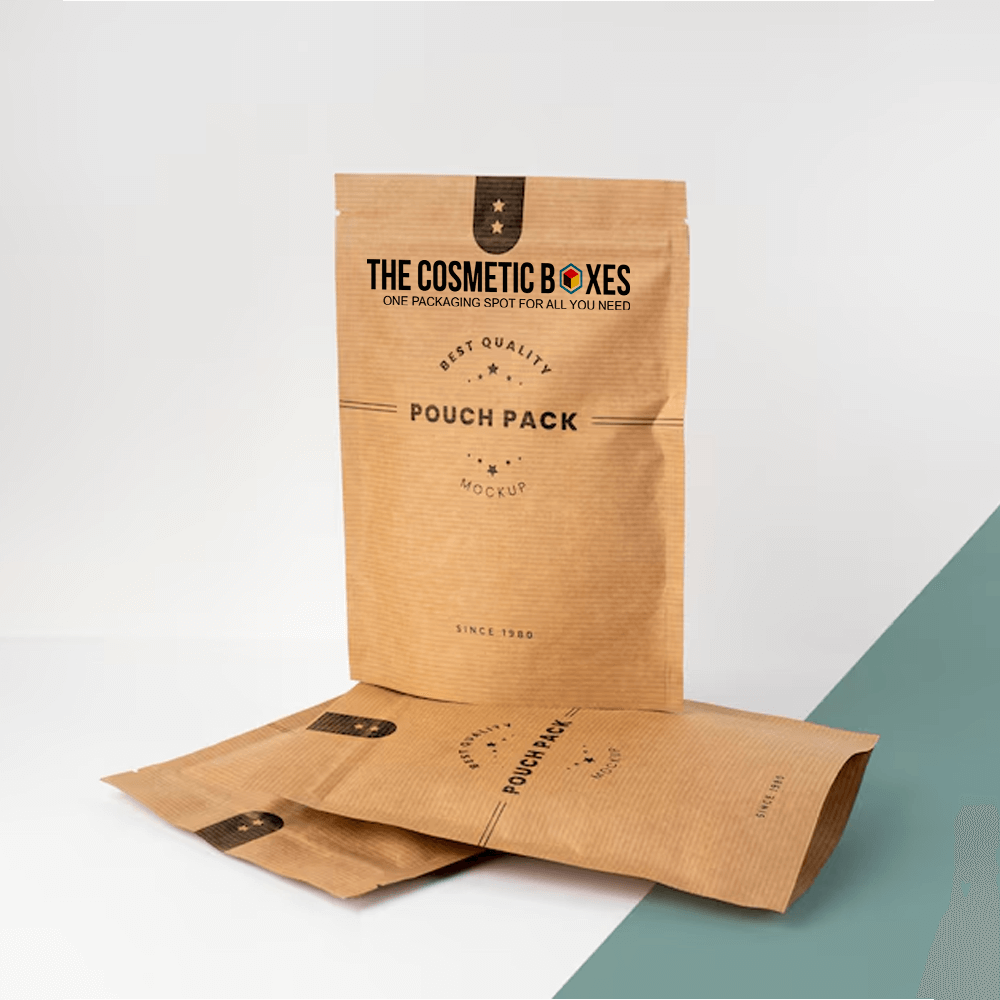
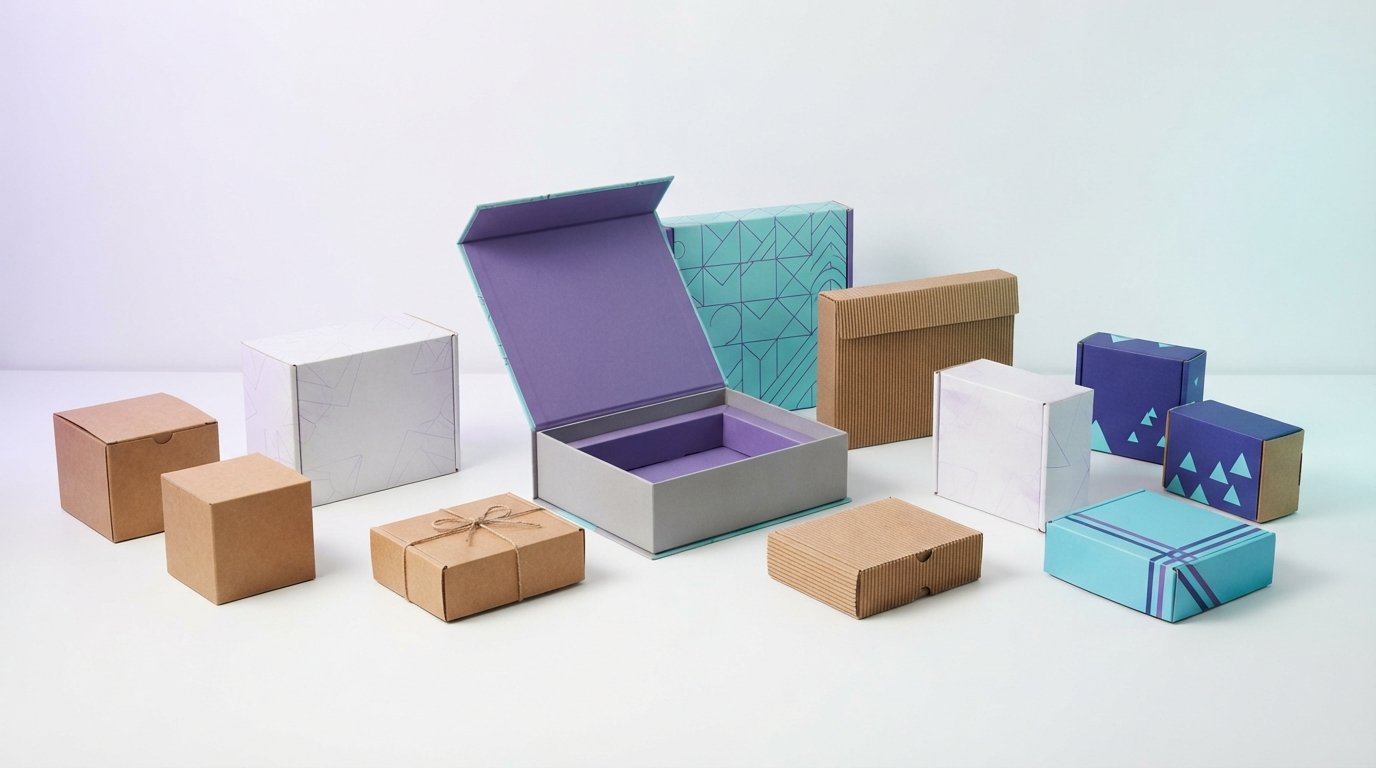
Cardboard is widely used for lightweight retail packaging because it offers excellent printing possibilities. Kraft packaging provides a natural appearance and works well for brands looking for a simpler presentation. Corrugated material offers additional strength for shipping, while rigid board is commonly selected when premium presentation is the priority.
Instead of choosing a material based only on appearance, businesses should consider how the package will actually be stored, transported, displayed, and opened.
Custom Printing Makes Packaging Recognizable
Printing transforms a standard box into branded packaging.
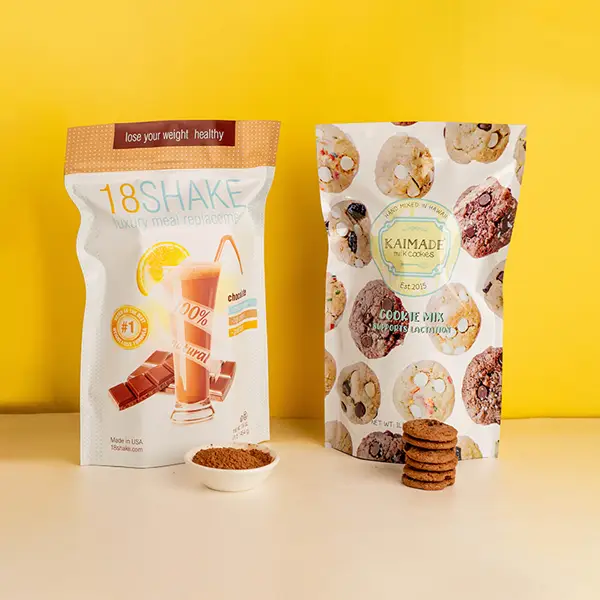
Custom printed packaging can feature your logo, colors, product information, instructions, patterns, QR codes, and other visual elements. Consistent printing across different packaging products also makes a brand easier to recognize.
Depending on the project requirements and quantity, digital or offset printing can be used to achieve professional results.
Finishing Options Add the Final Detail
Finishing can significantly change how packaging looks and feels.
Options such as matte or gloss lamination can create a cleaner surface, while foil stamping adds metallic details. Embossing and debossing introduce texture, and Spot UV can highlight selected design elements.
Premium finishes work best when they support the design rather than overwhelm it. More finishing does not automatically mean better packaging.
Custom Packaging for E-commerce and Retail
E-commerce and retail packaging serve slightly different purposes.
Retail packaging needs strong shelf presence because it often competes directly with other products. E-commerce packaging must also survive handling and transportation while creating a positive experience when the customer opens the package.
For brands selling through multiple channels, packaging should balance presentation, protection, shipping efficiency, and cost.
What Should You Consider Before Ordering?
Before requesting custom packaging, have the basic requirements ready: product dimensions, quantity, preferred box style, material, artwork, printing requirements, and delivery destination.
Accurate specifications make quoting easier and reduce unnecessary revisions during the design and production process.
If you’re unsure about a box style or material, working with an experienced packaging supplier can help you compare suitable options before production begins.
Build a Better Brand Experience with Genie Packaging
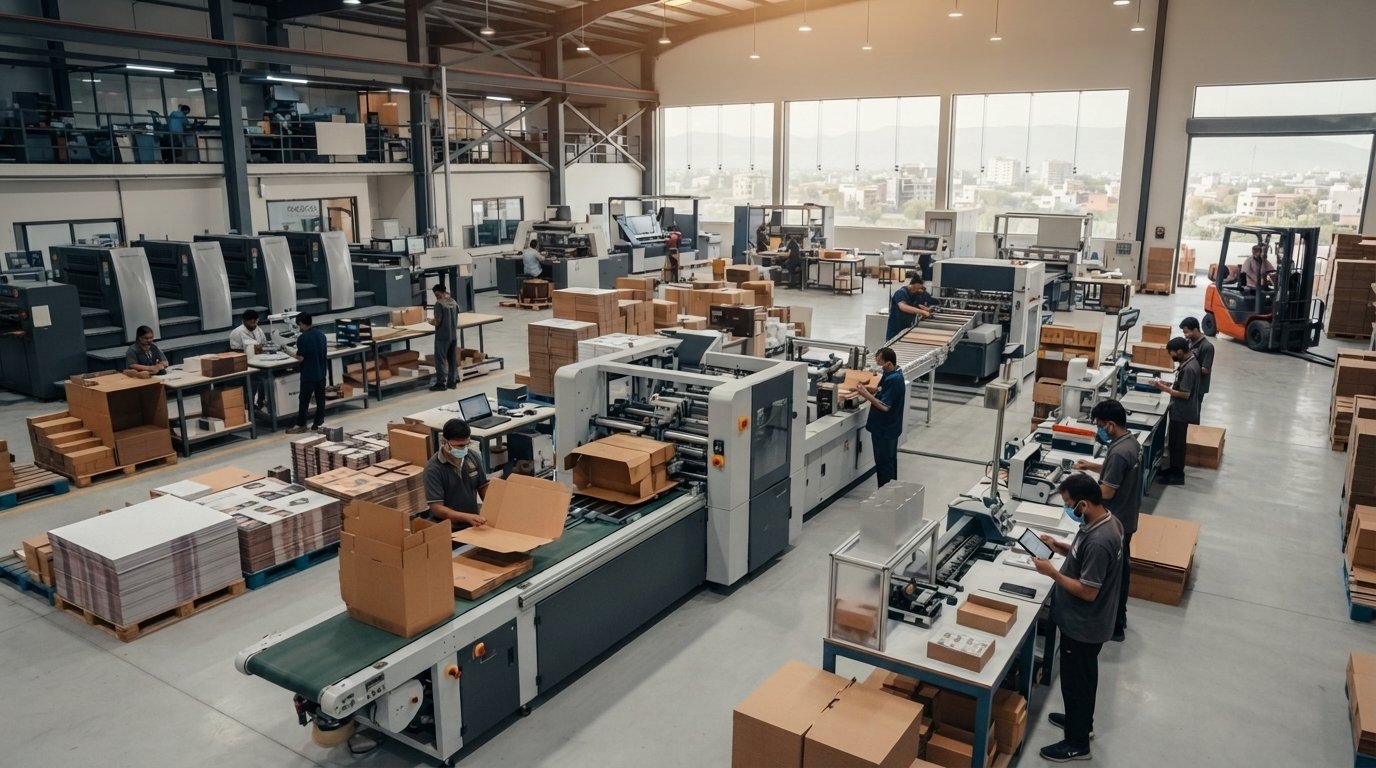
At Genie Packaging, we help businesses create custom packaging that combines professional presentation with practical performance. From mailer and tuck boxes to retail, corrugated, and premium packaging, our team can assist with design, printing, materials, finishing, and production.
Whether you’re launching a new product or improving existing packaging, the right solution should represent your brand while meeting the practical needs of your product.
Ready to create your custom packaging? Request a quote from Genie Packaging and discuss your requirements with our team.
Related posts
Packaging Trends for 2026: What Modern Brands Should Know
Packaging Is Becoming Part of the Product Experience Packaging is no longer viewed simply as something
How to Choose the Right Packaging Material for Your Product
Why Packaging Material Matters Choosing the right packaging material is just as important as creating
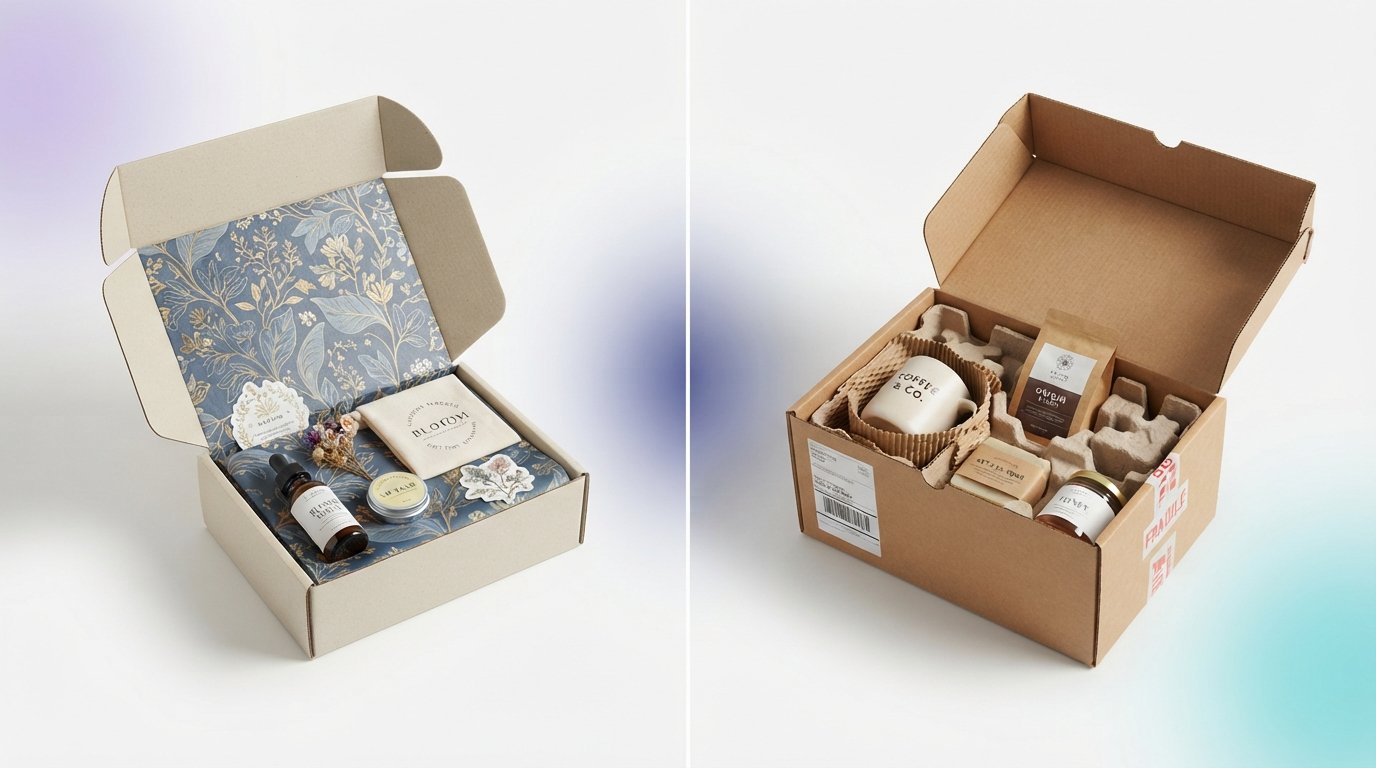
Mailer Boxes vs Shipping Boxes: Which Is Right for Your Business?
Understanding the Difference Choosing the right packaging is important for product protection, shipping
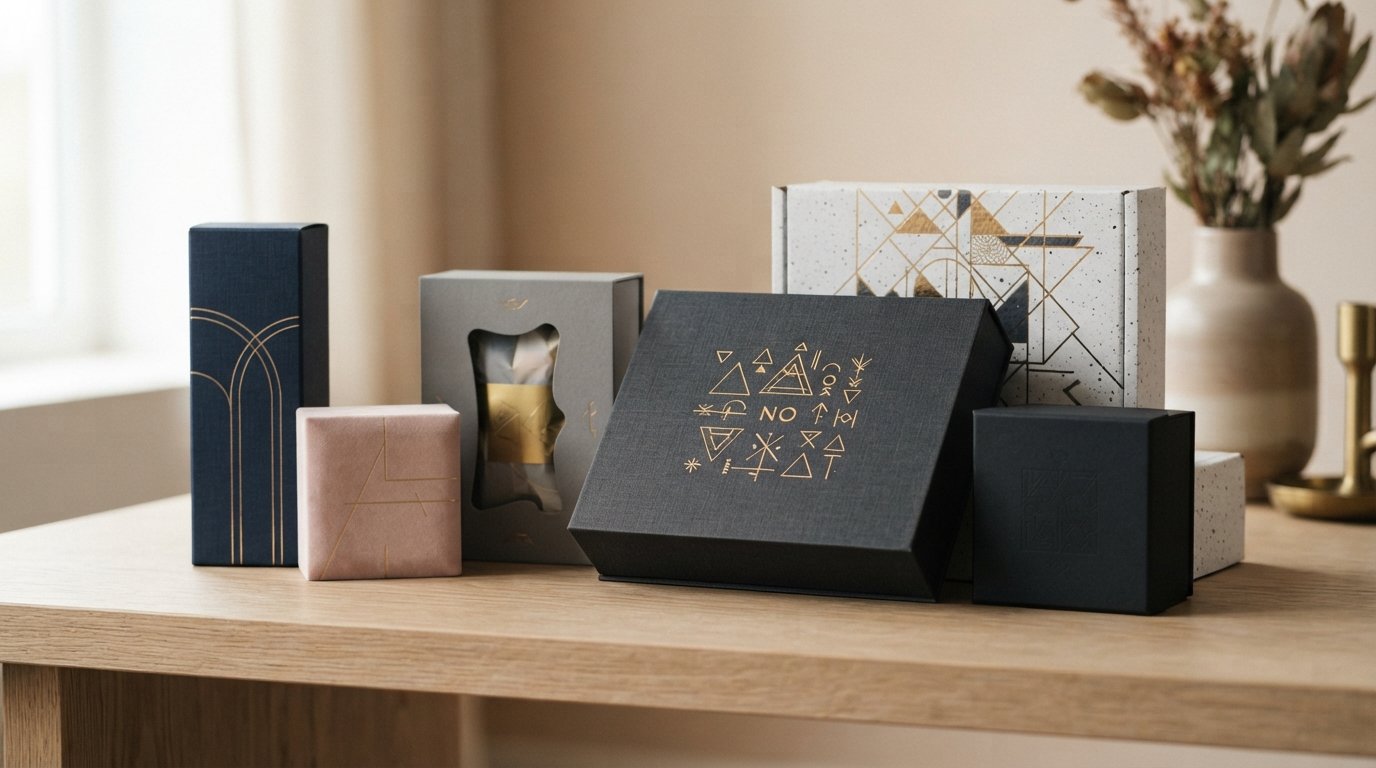
How Custom Packaging Helps Build a Strong Brand Identity
Packaging Is Part of Your Brand Brand identity goes beyond a logo, website, or color palette. Every interaction